
Choosing industrial labels and tapes starts with a simple question: what do you need them to do? Sealing a shipping carton, identifying a component, and masking a surface during production each call for different features. The surface, working environment, and conditions a product must withstand all help determine the right choice.
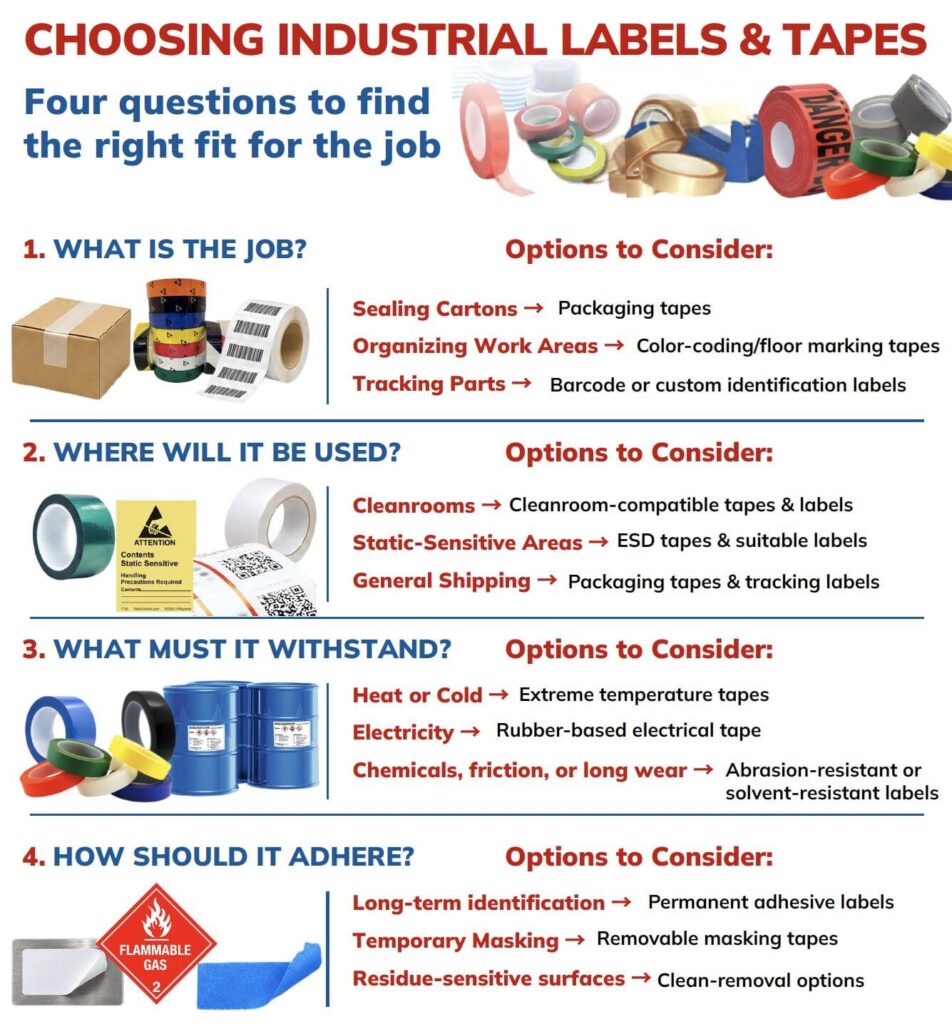
Texas Technologies provides a wide range of industrial tapes and high-performance labels designed for demanding environments like cleanrooms, electronics manufacturing, aerospace, and pharmaceuticals. From masking and insulation to barcoding, equipment labeling, and ESD-safe applications, our tapes and labels are essential tools to improve efficiency, maintain compliance, and ensure product quality across critical industries. But which tapes or labels are right for your specific needs? Use these questions to narrow your options:

What Is the Job?
Start with the purpose of the label or tape.
For tapes, common applications include:
- Sealing: Securing cartons, packaging, or specialized containers.

- Masking: Covering selected areas during manufacturing processes.
- Surface protection: Helping protect surfaces during handling or production.
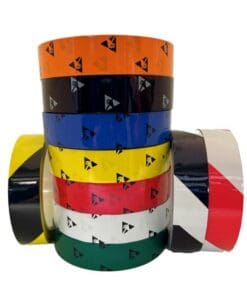
- Identification: Using color coding or floor markings to organize work areas.
For labels, consider what information needs to stay visible. Barcodes, part numbers, equipment identification, and handling instructions serve different purposes. Think about how the label will be read, where it will be placed, and how long it needs to remain legible.
Texas Technologies offers industrial tapes and label solutions for a range of packaging and production needs.
Where Will It Be Used?
 The working environment helps determine which features matter most.
In a cleanroom, labels and tapes must meet the facility’s contamination-control requirements. Cleanroom tape options should be evaluated against the requirements of the specific process.
When working with static-sensitive electronics, consider whether the application requires ESD tape or specialized ESD labels. Check the product’s specifications and intended function: an ESD warning label communicates handling requirements, while static-control properties depend on the label’s materials and construction.
Matching these supplies to the environment is one part of a broader protection strategy that also includes appropriate packaging and handling.
What Does It Need to Withstand?
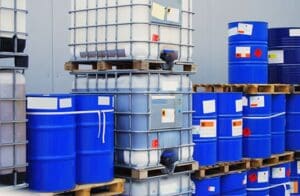 Consider what happens after application. Will the label or tape encounter elevated temperatures, cleaning chemicals, solvents, abrasion, or repeated handling?
For heat or cold exposure, review extreme-temperature tape options against the temperature and duration of your process. For labels, consider both adhesion and readability. A label that stays attached but loses its barcode or identification information can no longer do its job.
The specifications for the labels and tapes vary by product or environment. Confirm that the selected material, adhesive, and printing method suit the actual conditions including chemicals, electricity, extreme temperatures, friction, product form, shipping requirements, and other variables that may affect adhesion or durability.
Should It Stay Put or Remove Cleanly? 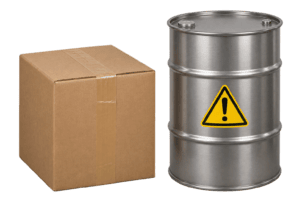
A permanent equipment label and temporary masking tape have different adhesive requirements.
Identify the surface, such as cardboard, plastic, or metal, and decide how long the product needs to remain attached. If removal is required, consider whether residue or surface damage could interfere with the next production step.
Application conditions matter, too. Check the manufacturer’s guidance for surface preparation and application temperature, and test a sample when practical.
Find the Right Labels and Tapes With Texas Technologies
The right choice starts with your application. Knowing the surface, environment, exposure conditions, and removal requirements makes it easier to narrow the options.
Texas Technologies can help you explore specialty tapes and custom label solutions for your operation. Contact our team to discuss your requirements and find a suitable option.